Understanding the Mempool: The Waiting Room of Blockchain Transactions :>
Introduction :>
In the world of blockchain and cryptocurrencies, transactions do not instantly become part of the blockchain the moment they are created. Instead, they pass through an intermediate stage known as the mempool. Short for "memory pool," the mempool serves as a temporary holding area where unconfirmed transactions wait to be validated and added to a block.
Understanding how the mempool works is essential for anyone interested in blockchain technology, cryptocurrency trading, mining, or network performance.
What Is a Mempool?
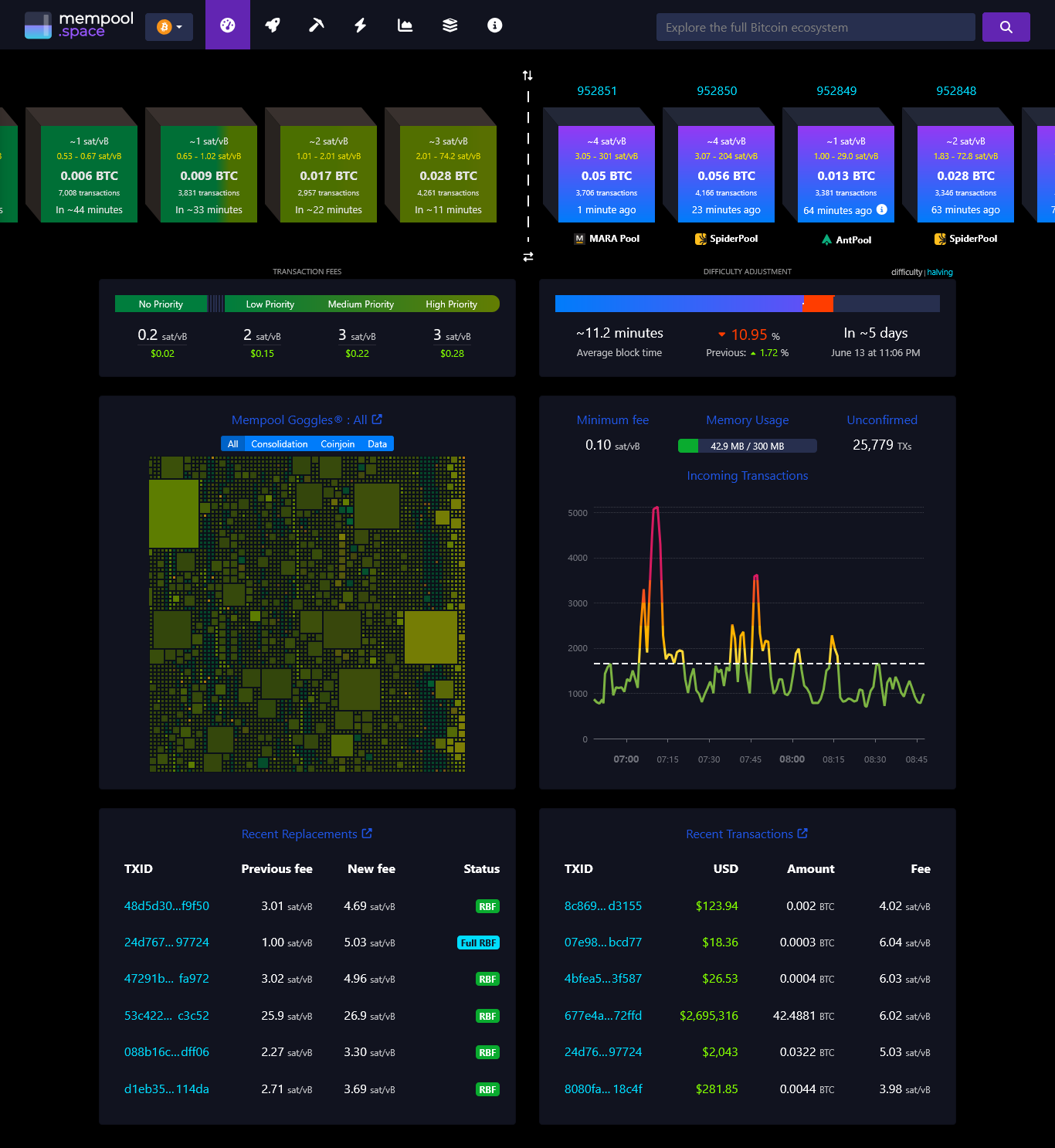
A mempool is a collection of pending blockchain transactions that have been broadcast to the network but have not yet been confirmed by miners or validators. Every node on a blockchain network maintains its own version of the mempool, storing transactions that have passed basic validation checks.
When a user sends cryptocurrency, the transaction is first transmitted across the network and placed into the mempool. From there, miners or validators select transactions from the mempool and include them in the next block.
In simple terms, the mempool functions as a waiting room where transactions stand in line before becoming a permanent part of the blockchain.
How the Mempool Works ://
The lifecycle of a typical blockchain transaction involves several steps:
1. A user initiates a transaction.
2. The transaction is broadcast to the blockchain network.
3. Network nodes verify that the transaction is valid.
4. The transaction enters the mempool.
5. Miners or validators select transactions from the mempool.
6. The selected transactions are included in a newly created block.
7. Once the block is added to the blockchain, the transaction receives its first confirmation.
The speed at which a transaction moves through these stages depends largely on network congestion and transaction fees.
The Role of Transaction Fees ://
Most blockchain networks prioritize transactions based on the fees attached to them. Higher fees generally provide greater incentives for miners or validators to include a transaction in the next block.
When network activity is low, even transactions with modest fees may be confirmed quickly. However, during periods of high demand, the mempool can become crowded, causing users who offer lower fees to wait longer for confirmation.
This fee-based prioritization creates a market mechanism that helps allocate limited block space efficiently.
Mempool Congestion ://
Mempool congestion occurs when the number of incoming transactions exceeds the network's processing capacity. During these periods:
. Transaction confirmation times increase.
. Average transaction fees rise.
. Low-fee transactions may remain pending for extended periods.
. Users may compete by offering higher fees.
Congestion is common during periods of market volatility, major cryptocurrency events, token launches, or widespread adoption surges.
Why the Mempool Matters ://
The mempool provides valuable information about the health and activity of a blockchain network. By monitoring mempool data, users can:
:> Estimate transaction confirmation times. :> Determine appropriate transaction fees. :> Assess network demand. :> Identify periods of congestion. :> Analyze blockchain usage trends.
Traders, miners, developers, and researchers often use mempool statistics to make informed decisions.
Mempools Across Different Blockchains ://
While the concept is similar across blockchain networks, mempool implementations vary.
# Bitcoin ://
Bitcoin's mempool is widely monitored because transaction fees fluctuate based on demand for limited block space. During periods of heavy activity, the Bitcoin mempool can contain hundreds of thousands of pending transactions.
# Ethereum ://
Ethereum also maintains a mempool, but transaction selection is influenced by gas fees. Users specify how much they are willing to pay for computational resources, and validators prioritize transactions offering higher rewards.
# Other Networks ://
Many modern blockchains employ alternative consensus mechanisms and scaling solutions that reduce congestion and improve throughput. Nevertheless, most still rely on some form of transaction queue before final confirmation.
Security and Transparency ://
The mempool contributes to blockchain transparency because pending transactions are publicly visible before confirmation. This visibility allows users to monitor network activity in real time.
However, public visibility can also introduce challenges such as front-running, where observers attempt to profit from seeing pending transactions before they are finalized. To address these issues, some blockchain projects are exploring private transaction mechanisms and improved transaction ordering systems.
Conclusion ://
The mempool is a critical component of blockchain infrastructure, acting as the bridge between transaction creation and confirmation. By temporarily storing valid but unconfirmed transactions, it helps coordinate network activity and ensures that transactions are processed efficiently.
Whether you are a cryptocurrency user, investor, developer, or researcher, understanding the mempool provides valuable insight into how blockchain networks operate, how transaction fees are determined, and why confirmation times can vary. As blockchain technology continues to evolve, the mempool will remain a fundamental element of transaction processing and network management.